I’ve always felt the difference between a professional short film and a more amateurish one has been down to the quality of sound and/or lighting. Not only is it important to make sure your subject is well lit for viewers to observe action but it is also crucial to the storytelling. Its importance is rooted in lighting’s ability to set the tone/mood of an environment instantly, having distinct emotional effects on viewers.
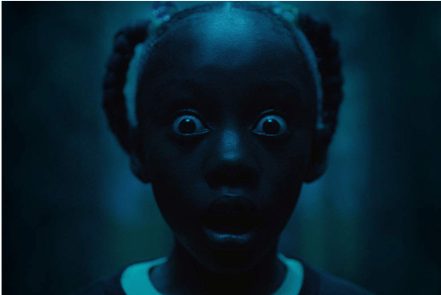
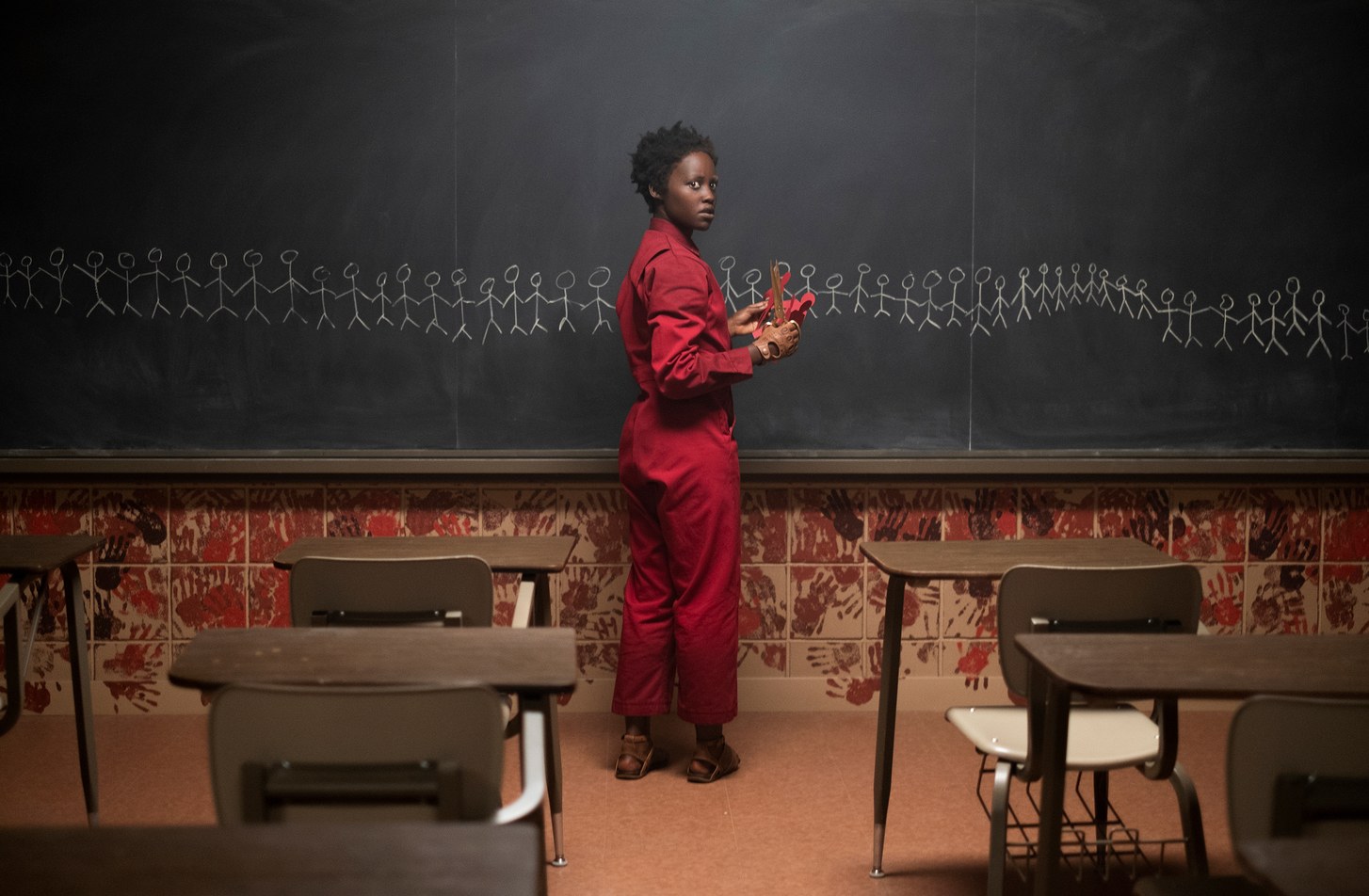
The above picture is from Jordan Peele’s ‘Us’, a dark and twisting horror-thriller. I watched the film recently and thought it was great, and I particularly liked the lighting throughout it. As unnatural as the disturbing events taking place in the film, the lighting is heightened and often comes in from unusual angles, highlighting only the most horrifying. There is a lot of dark space in the film which creates a very unnerving atmosphere, making you feel as vulnerable as the protagonists, never quite sure when and where the next threat will come from. The antagonists of the film are clones of the protagonists but they have been forced to live in underground tunnels and been deprived from a normal life, calling themselves ‘Shadows’. Having the antagonists and protagonists as the same actors is a difficult task, but the definition is made clear by the actors, costume, hair and makeup but also by the lighting. The antagonists are rarely lit my natural light, more often they are silhouetted, partly cast in darkness or lit by other sources e.g. fire light. This further isolates them and distorts their appearance which in turn, adds to the horror of the piece.
Lighting is definitely something I would like to explore and experiment more with in the projects that I make, as it is becoming increasingly clear to me that it is almost an equally weighted element of cinematography as camerawork when composing a shot. It’s important that in order to light things professionally I bear in mind the three-point lighting set up but I also want to use lighting more creatively in projects. For example, taking out the full light (Low key light) immediately lights a subject to create a different, more distorted effect while just having a backlight is great when trying to create some suspense and mystery surrounding a certain character.
To finish off, I found this quote online that actually comes from an American interior-designer/TV personality but I think he makes a very good point, especially when related to budget filmmaking:
“Lighting is a good way to change the look of a place without spending much.” – Bobby Berk
 PCA Isobel Wilkinson - BA Film