Inner Monologues
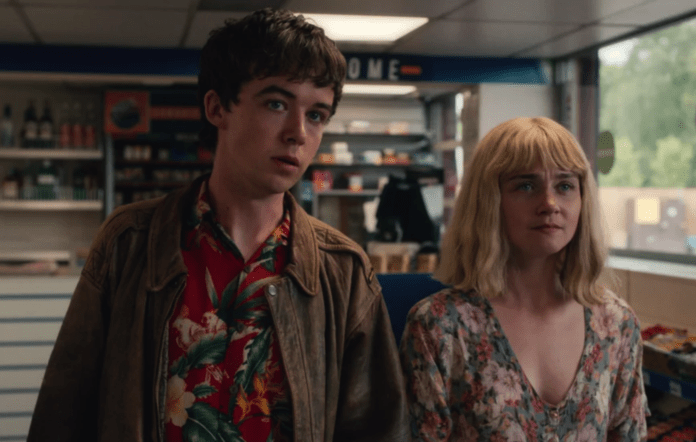
The most recent series that I have been shamelessly binge watching this past week are ‘End of The F****** World’ season 2 and ‘I Am Not Okay With This’. Unintentionally, I picked two programmes with striking similarities, later finding out they had creators in common made a lot of sense.
Both programmes are centred around troubled teenagers who feel isolated from their peers and society, are dealing with the ‘horrors’ of growing up, are pushed into terrible situations and ultimately are terrified of themselves and their impending future. All the components that seem to make them totally likeable as characters. In my opinion, one of the most effective storytelling tools utilised in both is the use of inner narration.
This intimately candid and totally revealing insight into a character is a great way of bringing the viewer closer to the subject, and therefore encouraging a more empathetic attitude towards them. This means at any point that this character is hurting or in danger, the highest form of tension is created, leaving everyone on the edge of their seat. Similarly, every-time a character has any success or happiness, you feel it more because it feels as if you have more of a personal connection to the character. Their journey feels far more important all of a sudden.
There is also something that works so well when applying this form of storytelling to teenagers feeling trapped. It’s an outlet for them to voice their honest ideas and views, usually with great comic effect. And one of the reasons it’s entertaining is because we can all relate in some way, everybody has had to hold their tongue or thought something that, for politeness sake, can never leave the confines of our own brain. This reliability and humour is also brilliant at encouraging you to form an attachment to these characters. Without this attachment, the tension in these stories would not be as effective and I believe that a vital part of engaging storytelling is the building and release tension.

 PCA Isobel Wilkinson - BA Film